Good manners for Muslim kids
16 titles · Ages 4-12
Good manners, or adab, are the way a Muslim eats, speaks, sleeps and treats other people, following the Sunnah of the Prophet ﷺ. These Miraj videos, stories, audiobooks and games teach children the small habits of the day and the bigger manners of how we speak to and about people.
Free for 7 days, then from £5.83 a month. Ad-free and scholar-reviewed.
Stories, audiobooks and videos about good manners
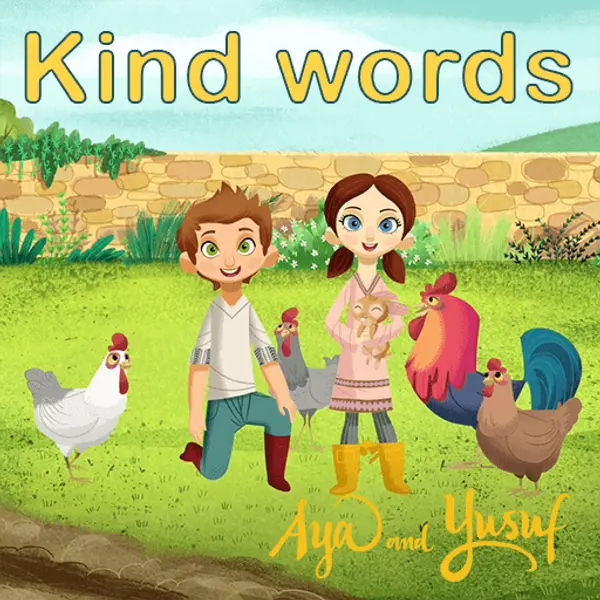
Aya & Yusuf: Kind Words
Video · Ages 4-9 · 7 min
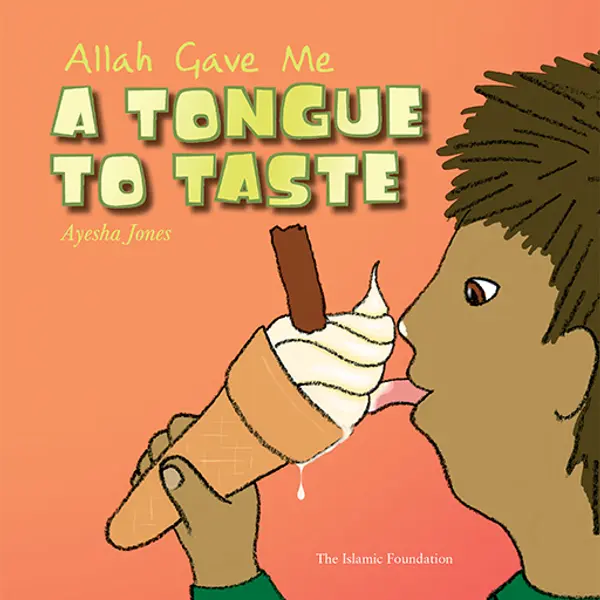
Allah Gave Me a Tongue to Taste
Audiobook · Ages 4-9 · 3 min
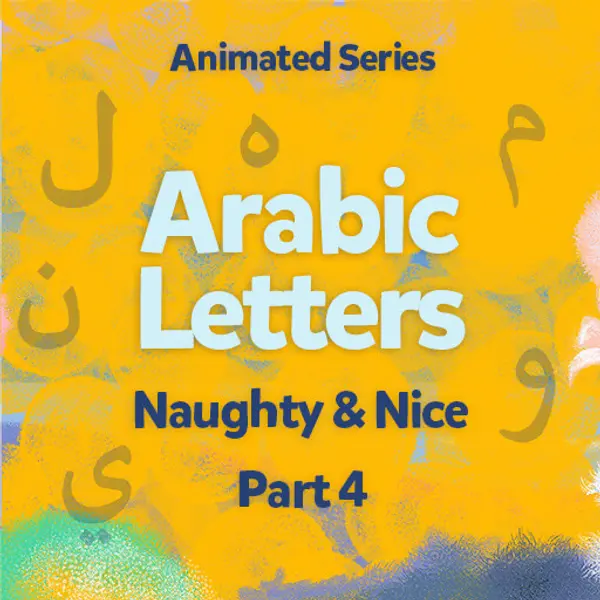
Arabic Letters Naughty & Nice Part 4
Video · Ages 4-6 · 5 min
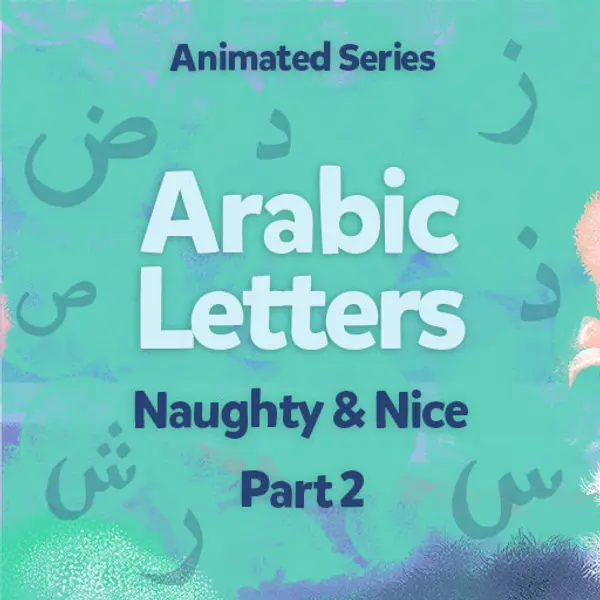
Arabic Letters Naughty & Nice Part 2
Video · Ages 4-9 · 6 min
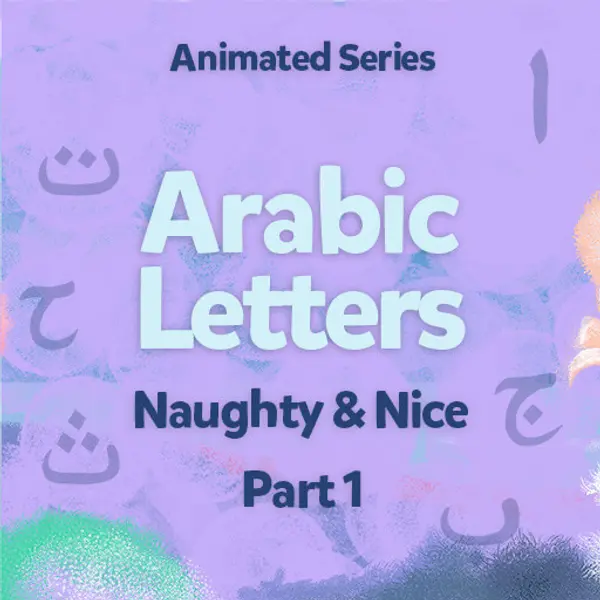
Arabic Letters Naughty & Nice Part 1
Video · Ages 4-9 · 5 min
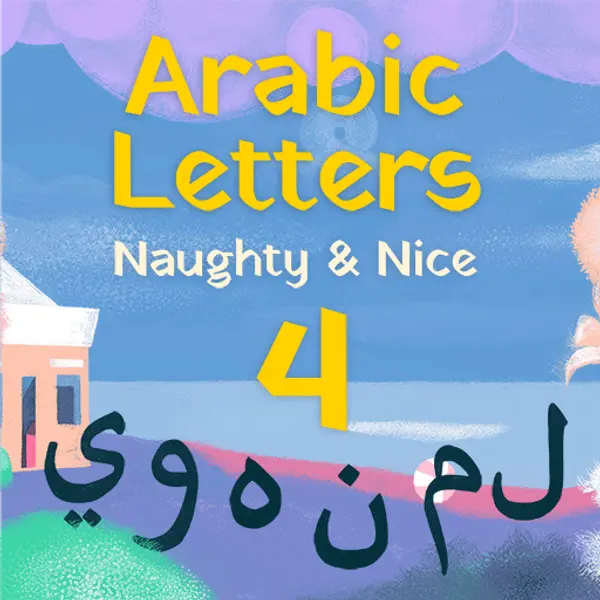
Arabic Letters Naughty & Nice Book 4
Story · Ages 4-6
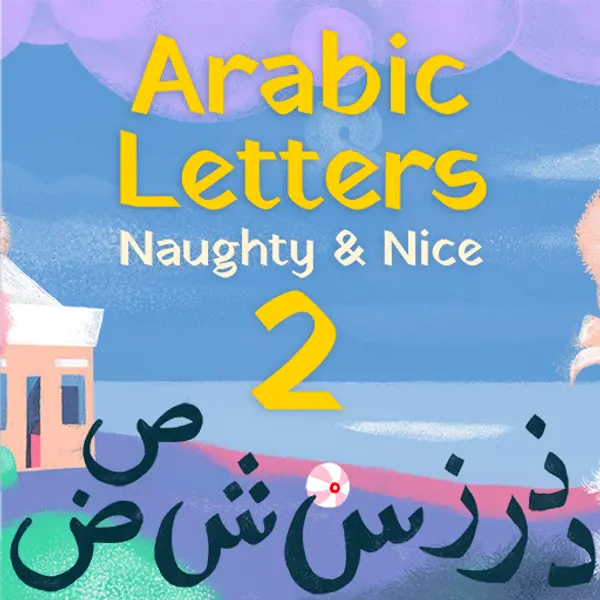
Arabic Letters Naughty & Nice Book 2
Story · Ages 4-6
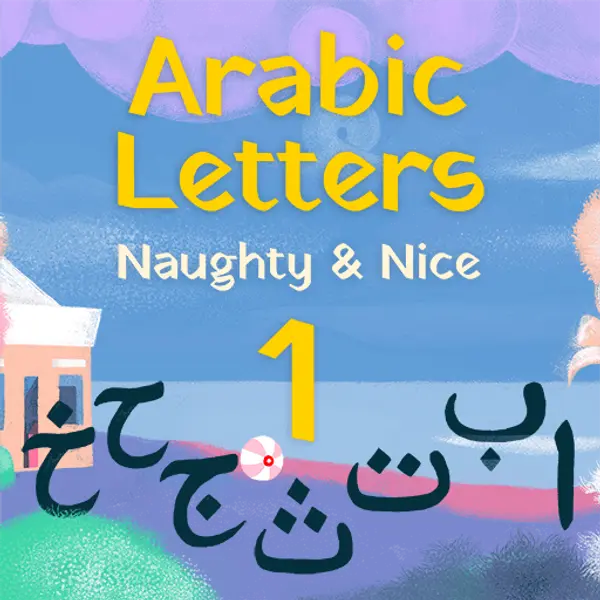
Arabic Letters Naughty & Nice Book 1
Story · Ages 4-6
A to Z of Mini Muslims
Audiobook · Ages 4-9 · 6 min
Al Wadud
Video · Ages 4-6 · 3 min
A Spoonful of Thanks
Audiobook · Ages 4-9 · 5 min
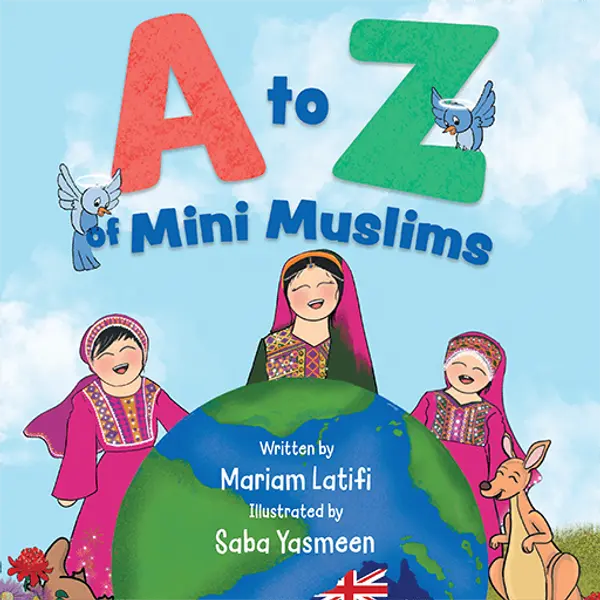
A to Z of Mini Muslims
Story · Ages 4-9 · 6 min
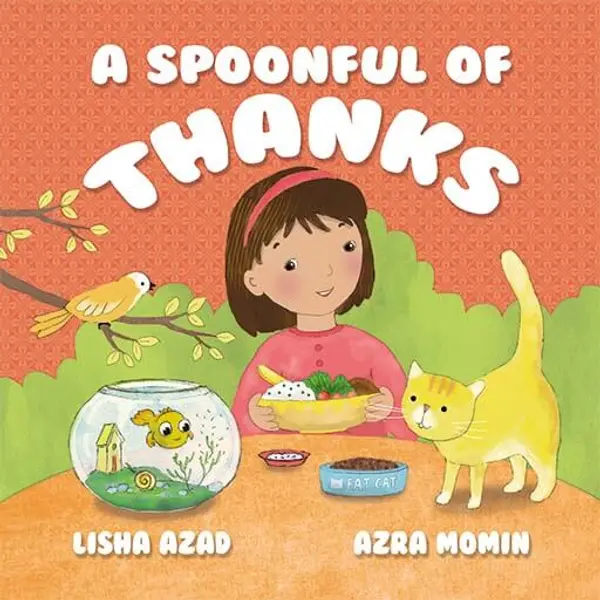
A Spoonful of Thanks
Story · Ages 4-9 · 5 min
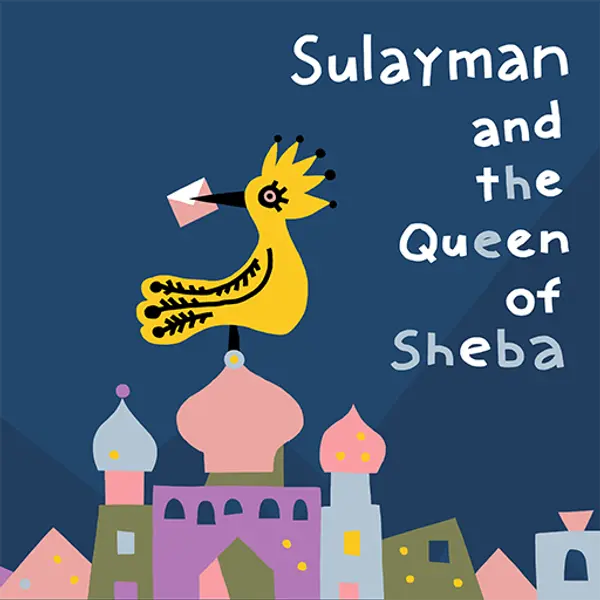
Sulayman and the Queen of Sheba
Audiobook · Ages 4-12 · 38 min
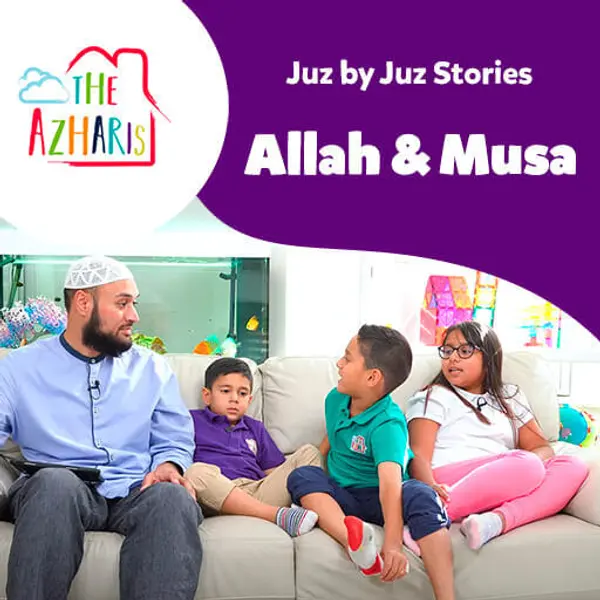
Juz by Juz: Allah and Musa
Video · Ages 4-9 · 12 min
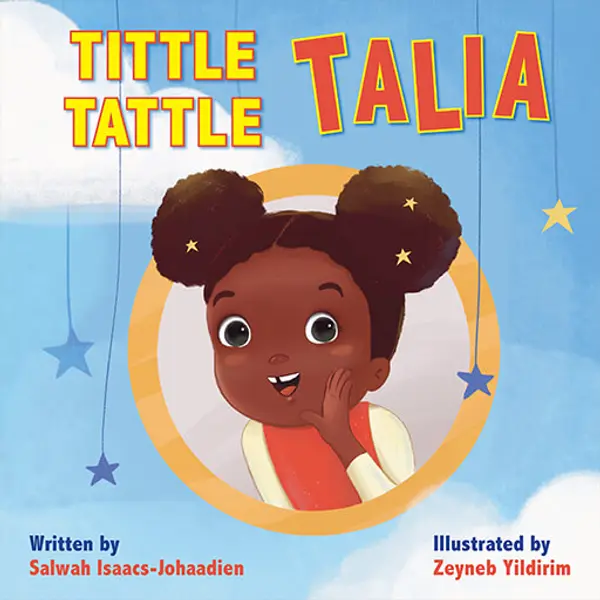
Tittle Tattle Talia
Story · Ages 7-12 · 12 min
Which manners do these titles teach?
Many follow a child through the day the way the Prophet ﷺ taught. Say Bismillah and eat with the right hand. Go into the toilet with the left foot and wash with water. Make wudu, recite the three Quls and lie on the right side at bedtime. Picture books, songs and simple tapping games come back to these habits again and again.
Other titles look at the heart behind good manners. Allah compares backbiting to eating a brother's flesh, and the Dada & Me songs and short khutbahs by Imam Ajmal Masroor explain why we never speak badly of people behind their backs. A boastful line learns he is made of humble dots, a proud millipede loses his thousand shoes, and Prophet Ibrahim (AS) answers a proud king calmly instead of quarrelling. Aya and Yusuf learn that a kind word is like a good tree, and Pacca Alpaca sings hello, goodbye and thank you.
The page for each title spells out its lessons and gives questions for afterwards, handy for a family talk about one manner to practise this week.
Key lessons children take from these stories, audiobooks and videos
- A kind word is like a good tree: its roots are firm and its branches reach the sky.
- Allah gave us a tongue to taste and enjoy many kinds of food.
- Lam, Meem, Noon, Haa, Waw and Yaa are the last six letters of the Arabic alphabet.
- Daal, Dhaal, Raa, Zaay, Seen, Sheen, Saad and Daad are eight letters of the Arabic alphabet.
- The Arabic alphabet begins with Alif, Baa, Taa, Thaa, Jeem, Haa and Khaa.
- Daal, Dhaal, Raa, Zaay, Seen, Sheen, Saad and Daad are the next eight letters of the Arabic alphabet.
Related themes
Other themes
Frequently asked questions
What is adab in Islam?
Adab means good manners and right conduct. It covers how we eat, greet, speak and behave with parents, guests and friends, following the example of the Prophet ﷺ, who had the best manners.
How do I teach my child to eat the Sunnah way?
Start with three things the Prophet ﷺ told a boy at his table: say Bismillah, eat with your right hand and eat from what is in front of you. Then say Alhamdulillah at the end. Several stories and games here come back to them.
Do you have titles to help with potty training?
Yes. A picture book and audiobook follow a boy learning to use the toilet the Muslim way, from going in with the left foot to washing with water and saying Ghufranak, and another book shows the different ways people get clean.
Try Miraj free for 7 days
Every story, game, audiobook and video in the library, for Muslim children aged 4–9. Ad-free, scholar-reviewed, offline downloads, and a no-music mode.