
Learn Arabic for children: letters, numbers and first words
1 title · Ages 4-9
Children learn Arabic best a little at a time: first the letters from alif to ya, then the numbers and the words for the things around them, heard, said aloud and played with. These Miraj videos, games, stories and audiobooks help Muslim children take those first steps, and many teach the same words in English too.
Stories about learning Arabic
How do these titles help a child learn Arabic?
The Alif to Qur'an videos go through the Arabic letters one by one, each with a word and often a recited verse of the Qur'an that uses it. A curious letter ya follows a trail of ants past all the others, and a song sings the Arabic alphabet in order. Jigsaws named after letters such as baa and lam keep their shapes in front of young eyes.
Numbers come next. The Arabic Number Friends dive under the sea to count from zero to nine, jigsaws are named after arbaa, four, and thamaneeya, eight, and a colouring game draws the Arabic numbers 0, 1 and 2.
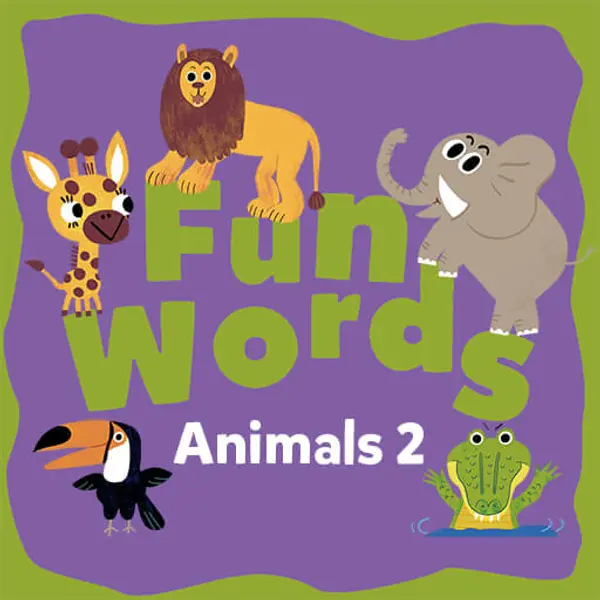
The Fun Words books build vocabulary one topic at a time: a child chooses English, Arabic or both, then says each word into the microphone. Rhyming bilingual picture books tell one story in Arabic and English, from Zayd, who seems to eat everything, to Sakeenah, who loves unicorns.
Learning the letters at home is a good start before reading the Qur'an with a teacher. Each title's page gives its lessons, and each game's page the skills it practises.
Key lessons children take from these stories
- Every animal has a name in English and in Arabic.
Related themes
Other themes
Frequently asked questions
What is the best way for a child to start learning Arabic?
Start with the letters and a few words at a time, and keep it playful, with a song, a jigsaw or a short video each day. Saying words aloud helps, which is why the Fun Words books ask a child to repeat each word into the microphone.
Do these titles teach the Arabic letters of the Qur'an?
Yes. The Alif to Qur'an videos teach every Arabic letter with a word, often from a verse of the Qur'an, and letter jigsaws and a story about the alphabet help children remember them. They are a good start at home, alongside a teacher.
What age can children start learning Arabic?
Children as young as four can learn the Arabic letters and their sounds through songs and games. These titles are for children aged 4 to 9, and most suit the youngest.
Try Miraj free for 7 days
Every story, game, audiobook and video in the library, for Muslim children aged 4–9. Ad-free, scholar-reviewed, offline downloads, and a no-music mode.